Gold Plated vs Gold Filled vs Vermeil Jewelry: What’s the Difference?
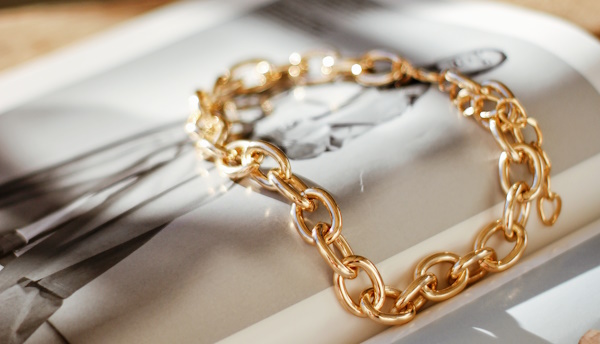
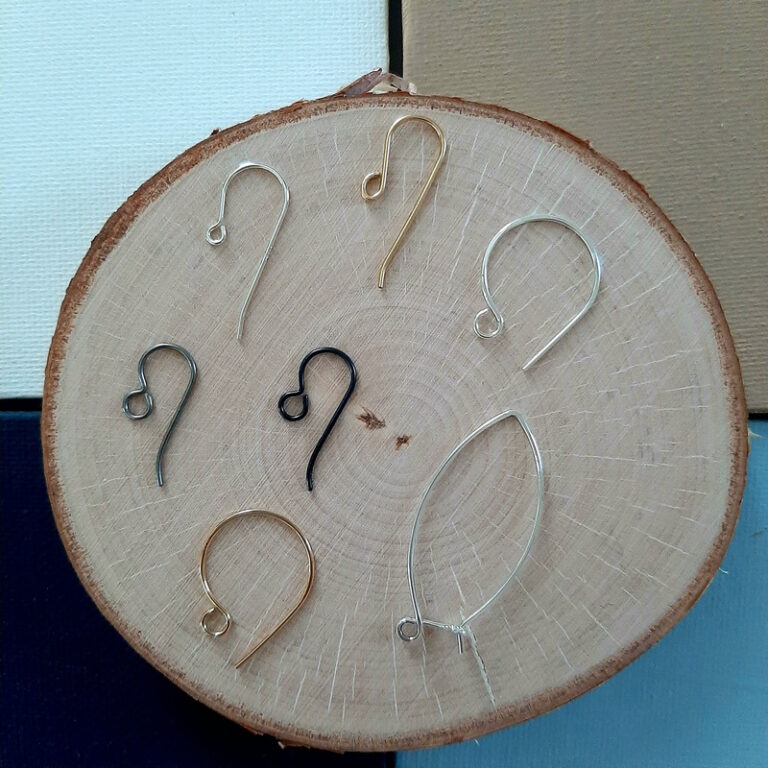
If you’ve ever found yourself confused by the terminology surrounding gold jewelry, you’re not alone. Recently, a customer reached out with questions about the gold-filled ear wires used in some of our French Ostrich earrings.
If one person is asking, chances are others are curious too — so let’s break down the differences between the most common types of gold used in jewelry:
1. Solid Gold
2. Gold Vermeil
3. Gold Filled
4. Gold Plated
Gold is often described by its karat (K) value. The purest form of gold is 24K, but it’s too soft for jewelry, so it’s blended with alloys for strength and durability. For example, 14K gold — one of the most popular choices — contains 14 parts pure gold and 10 parts other metals.
Gold-filled, gold vermeil, and gold-plated jewelry all share one thing in common: each has a layer of gold over a base metal. (The term gold filled can be misleading — nothing is actually “filled” with gold.)
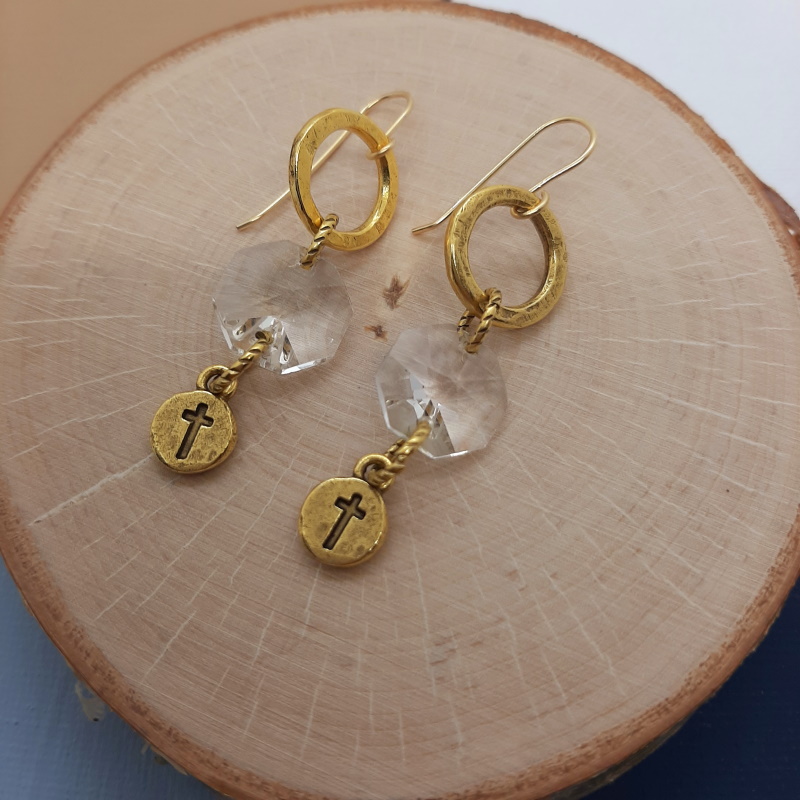
Gold Vermeil: A thick layer of gold electroplated onto sterling silver, meaning gold vermeil jewelry is made entirely from precious metals.
Gold Filled: A substantial layer of gold that has been pressure-bonded to another metal, usually jeweler’s brass.
Gold Plated: A thinner layer of gold electroplated over a metal core, such as brass, pewter, copper, or steel.
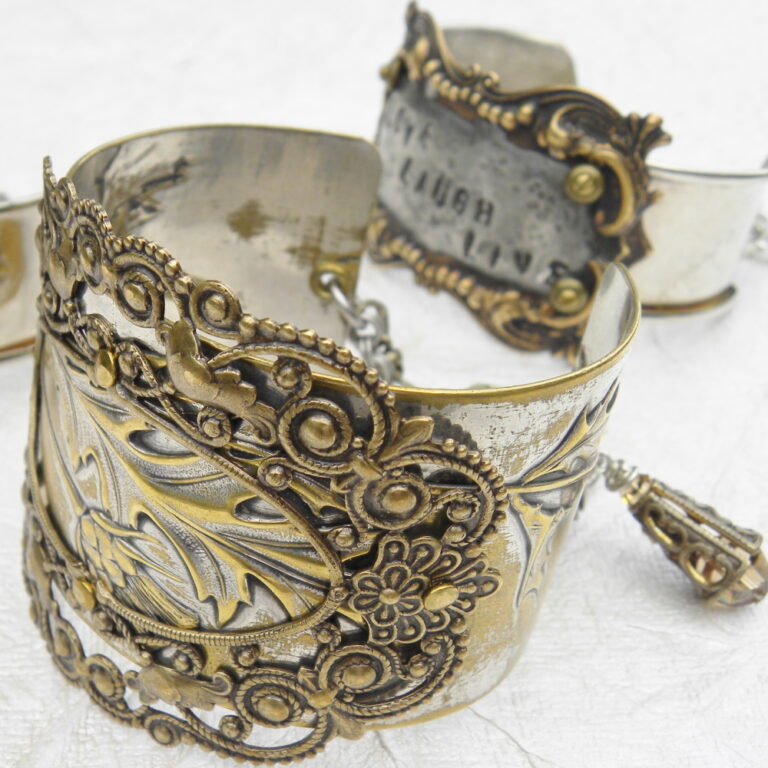
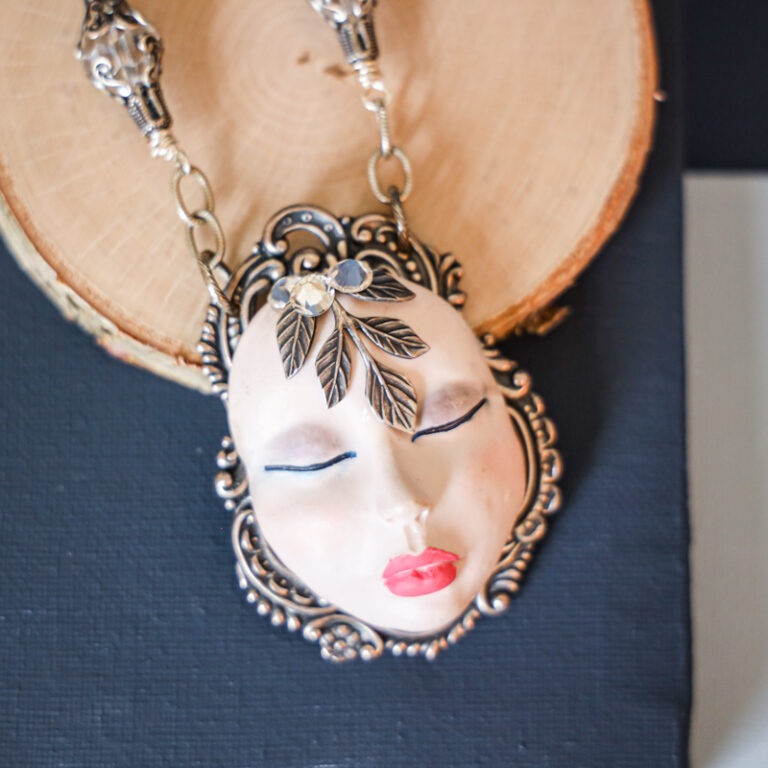
At French Ostrich, we take pride in creating beautifully made costume jewelry — offering an affordable alternative to fine jewelry. We primarily use gold-plated components, sourced mostly from U.S.-based vendors who use 24K gold or .999 fine silver plating. With proper care, your French Ostrich pieces will maintain their beauty for years to come. (You can find more tips on our Jewelry Care page.